即刻App年轻人的同好社区
下载
 置顶
置顶自杀式同情心/自杀式共情是指同理心的三种失灵/不良误触发:1)同情心过度活跃;2)同情心在错误的情境中被激活;3)共情罪犯,而不是受害者。
Suicidal Empathy
Dying to be Kind
同理心是大自然慢慢演化留给人类的天赋,我们作为群居生物,懂得心疼他人、体谅旁人,才能安稳群居生活,这份本心本身是健康且必要的。
但很多心理问题都有同一个规律:原本有用的天赋,一旦失控跑偏,就会伤害自己。
共情也是同理,一旦变形,就演变成了“自杀式共情”,它一共有三种出错形式:
第一,共情泛滥过头,心思过度敏感,无休止包揽所有人的情绪烦恼;
第二,用错了场合,不该心软的时候盲目泛滥同情心;
第三,同情的对象本身是不合理、不值得包容的。
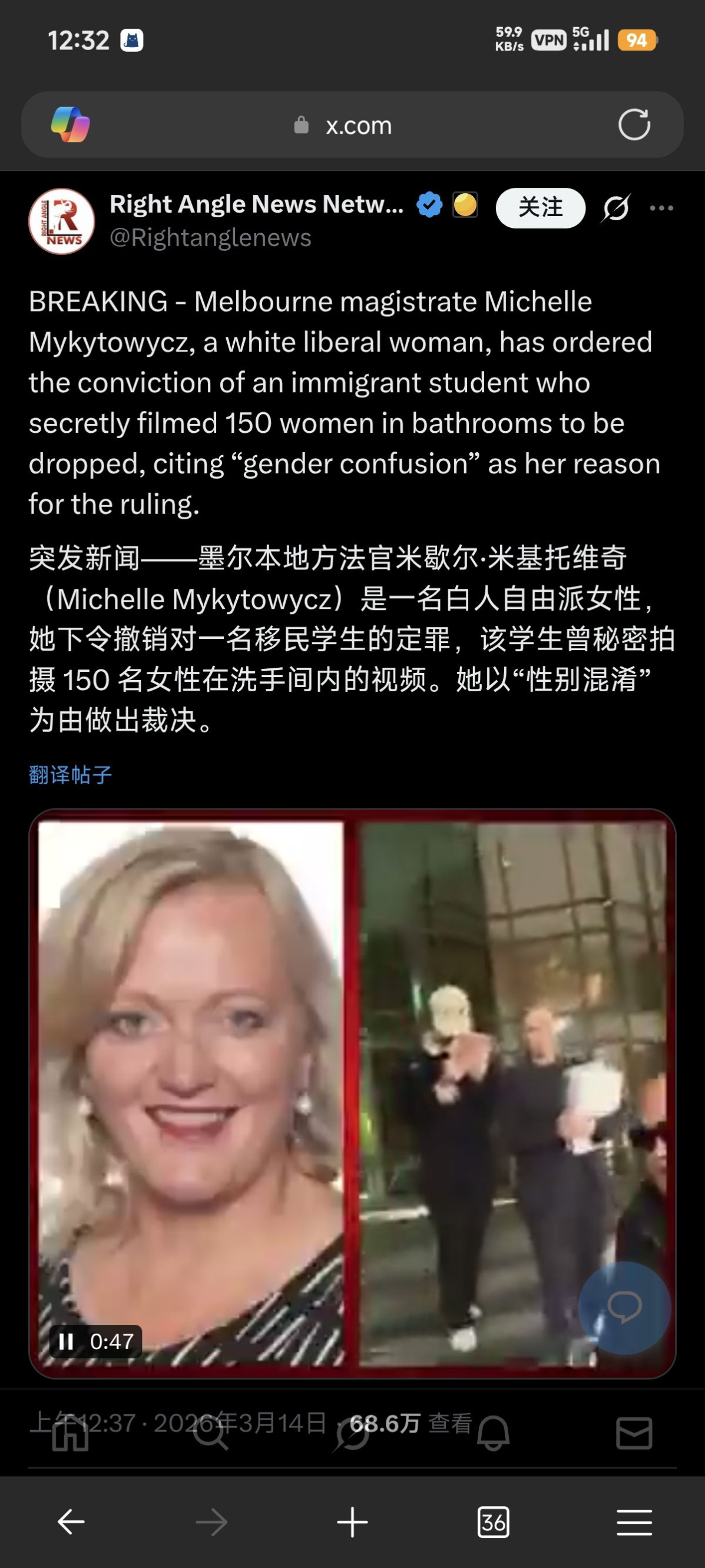
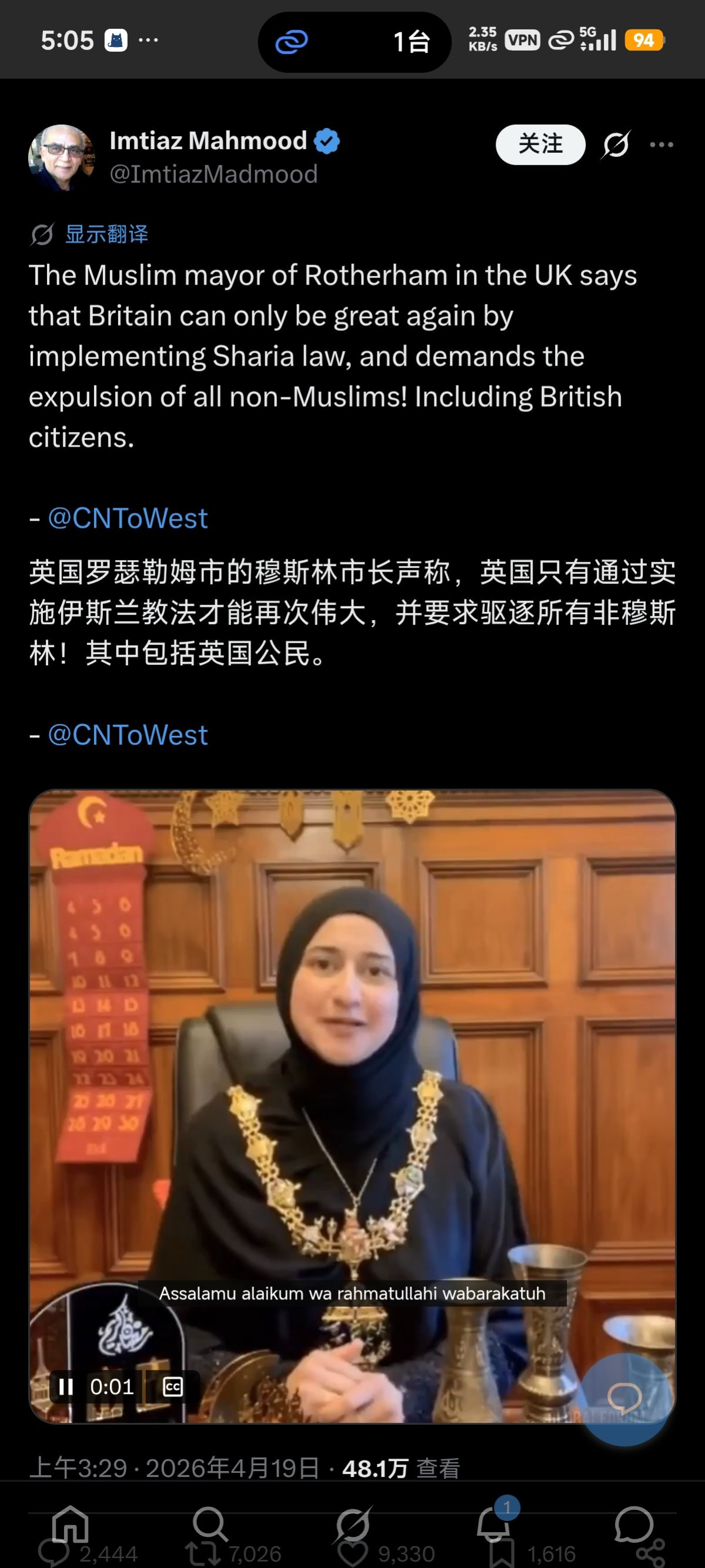
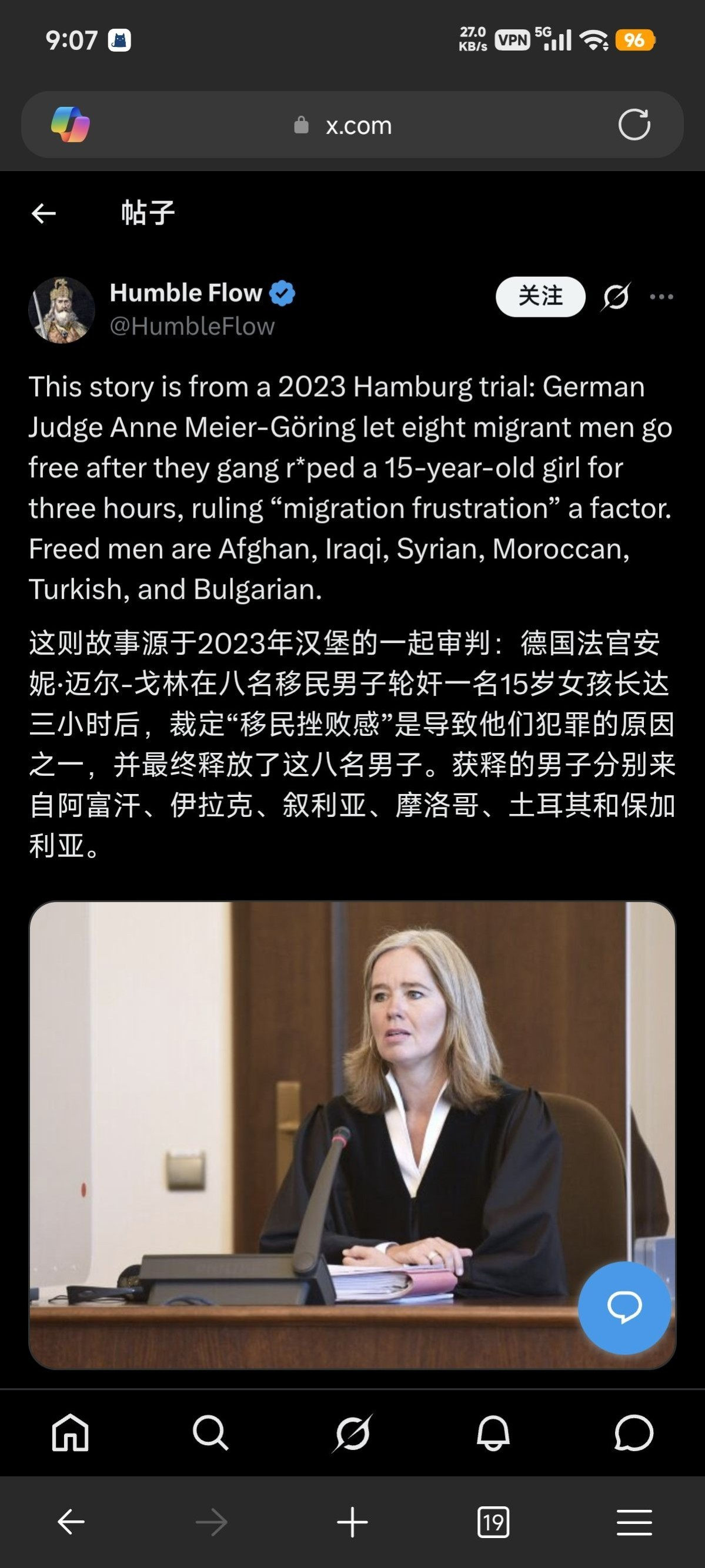
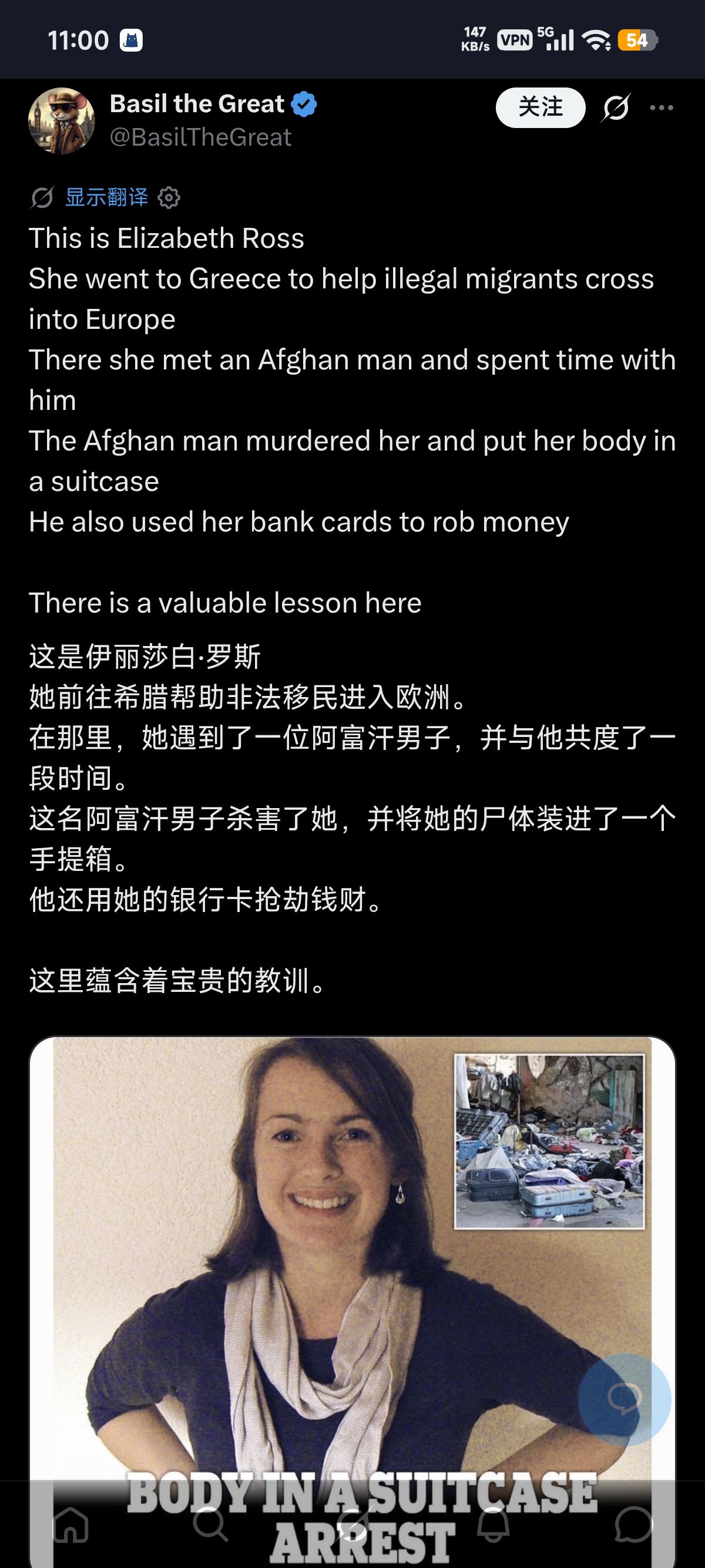
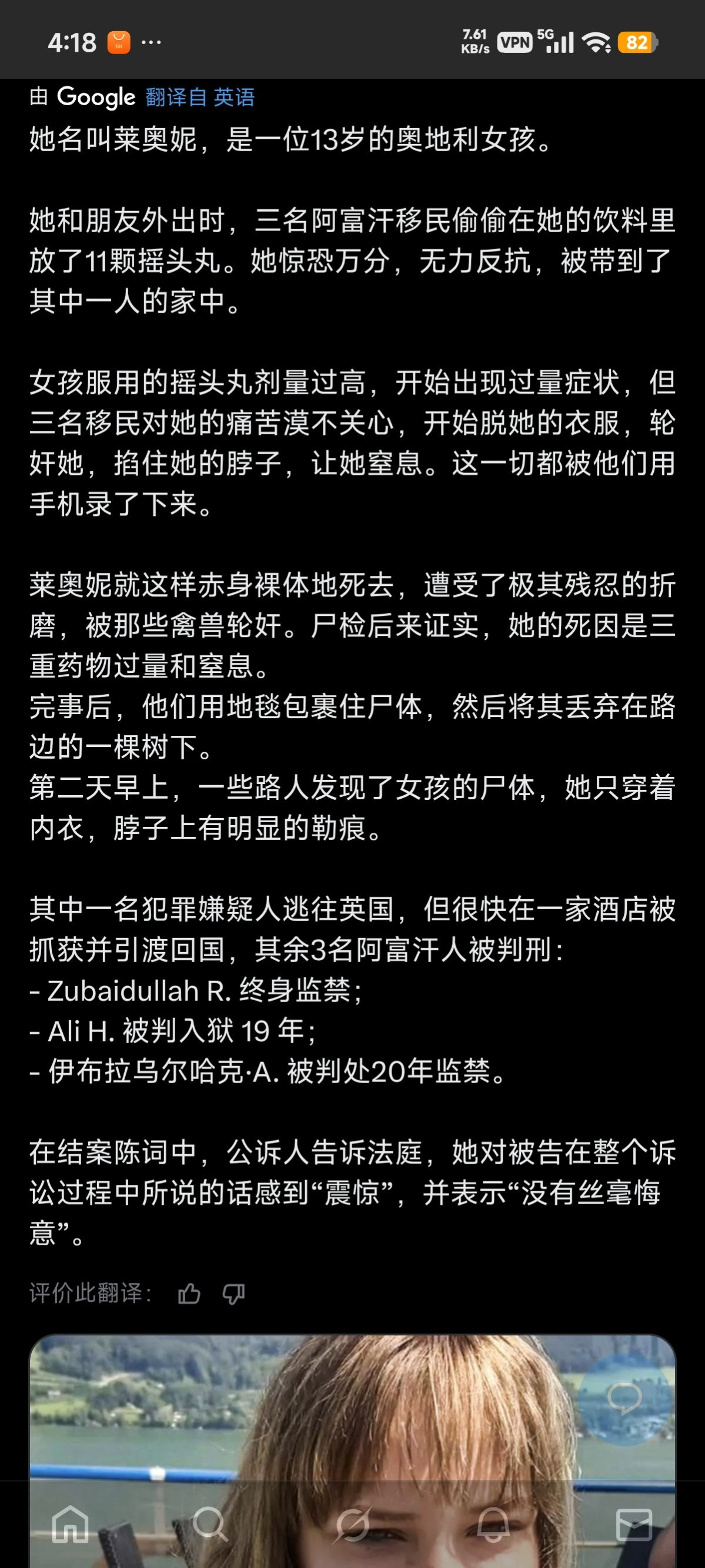
欧洲政府用“那是他们的文化”
保护非法移民、强奸犯
但对在社交媒体发表情包的本国公民,重拳出击
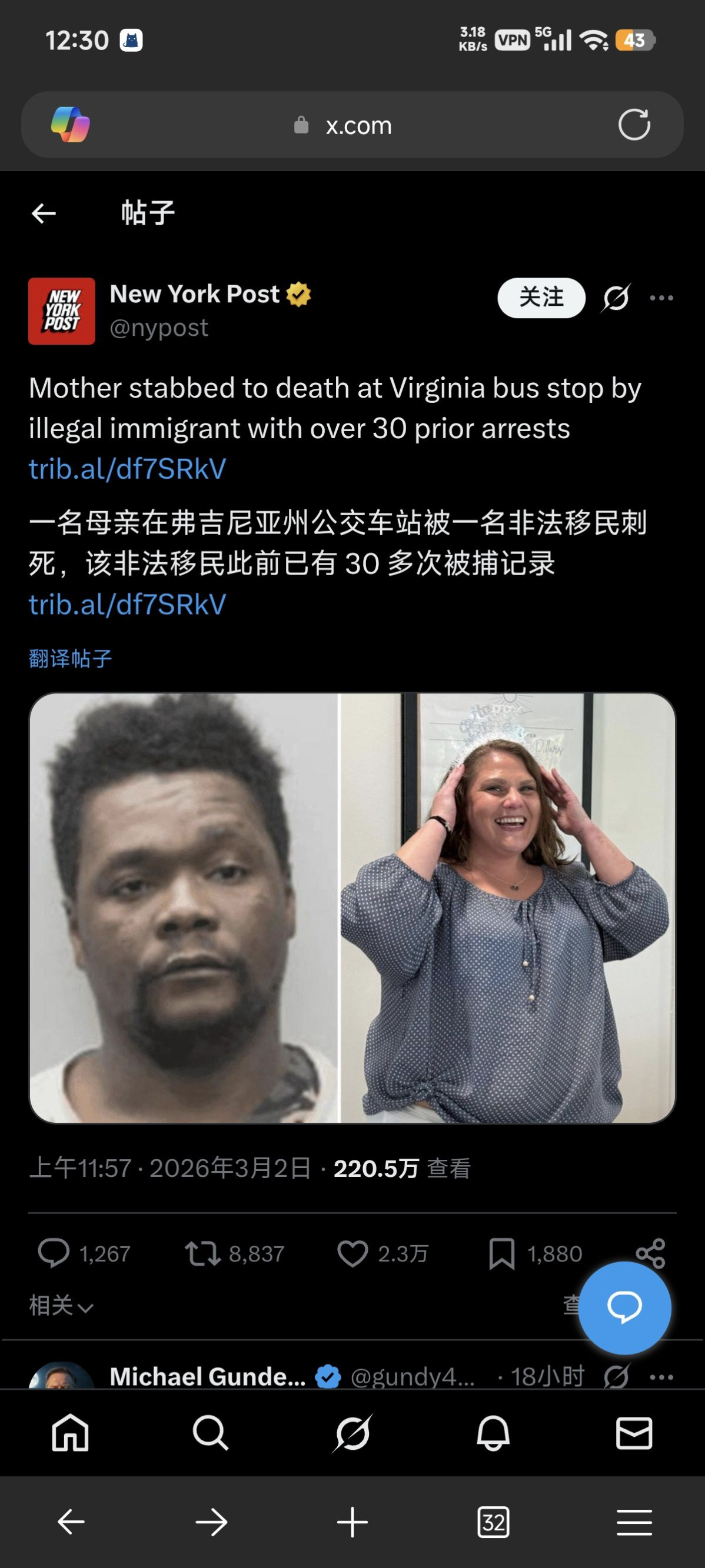
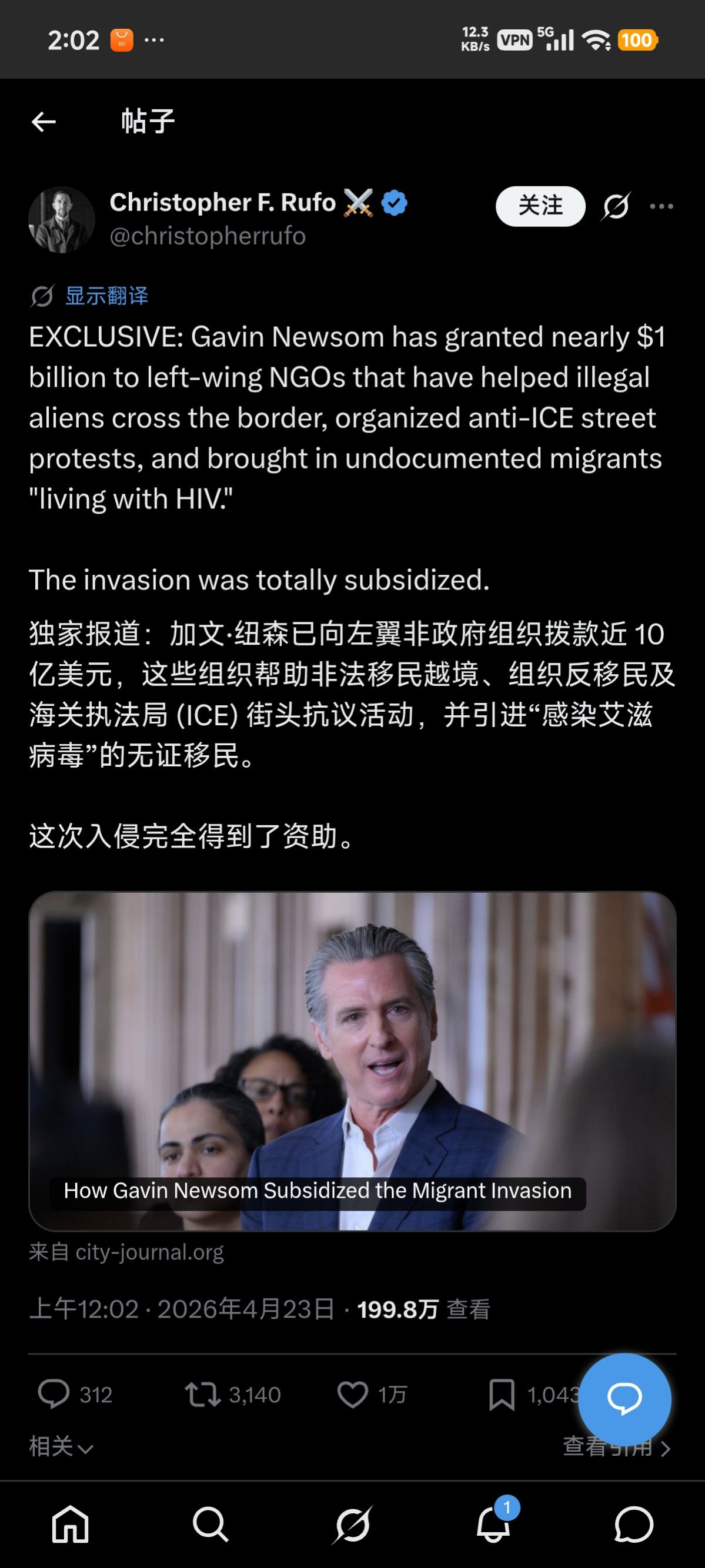
美国,民主党多年以来,拿着纳税人的钱,免费送给非法移民,却对合法移民、高素质移民百般刁难。
Suicidal Empathy
Dying to be Kind
同理心是大自然慢慢演化留给人类的天赋,我们作为群居生物,懂得心疼他人、体谅旁人,才能安稳群居生活,这份本心本身是健康且必要的。
但很多心理问题都有同一个规律:原本有用的天赋,一旦失控跑偏,就会伤害自己。
共情也是同理,一旦变形,就演变成了“自杀式共情”,它一共有三种出错形式:
第一,共情泛滥过头,心思过度敏感,无休止包揽所有人的情绪烦恼;
第二,用错了场合,不该心软的时候盲目泛滥同情心;
第三,同情的对象本身是不合理、不值得包容的。
欧洲政府用“那是他们的文化”
保护非法移民、强奸犯
但对在社交媒体发表情包的本国公民,重拳出击
美国,民主党多年以来,拿着纳税人的钱,免费送给非法移民,却对合法移民、高素质移民百般刁难。

1 00
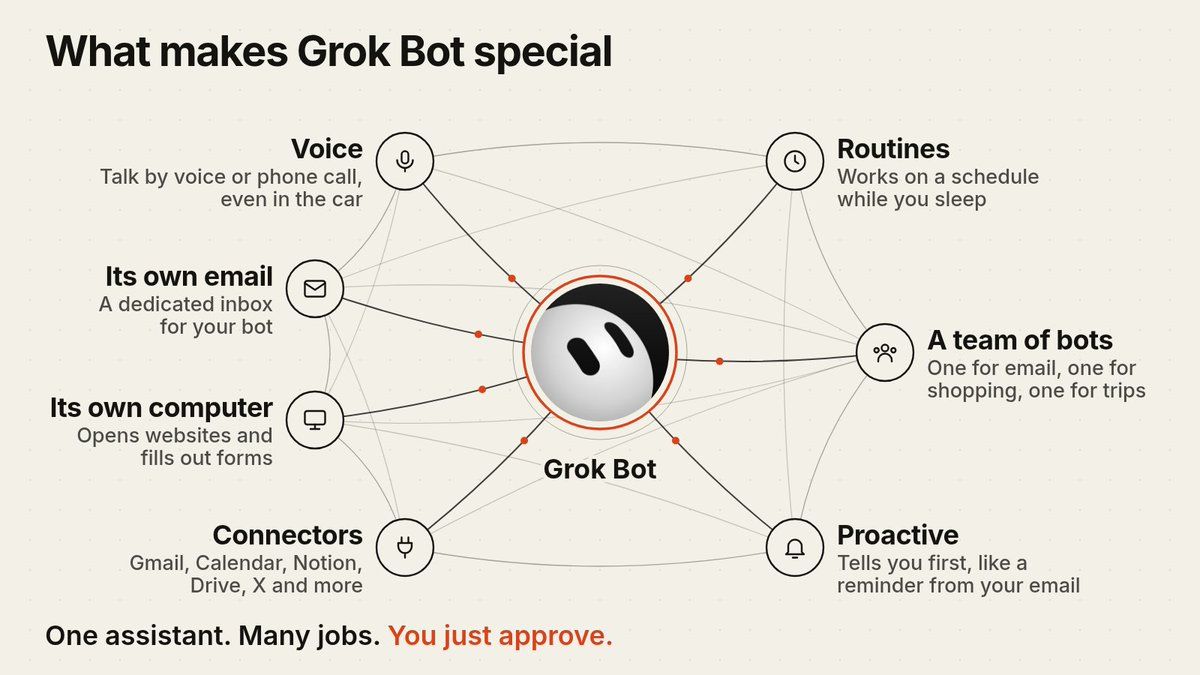
马斯克造汽车造火箭太久了,这两个都是搞硬件,硬件要扩张太难、太慢,迭代也慢。
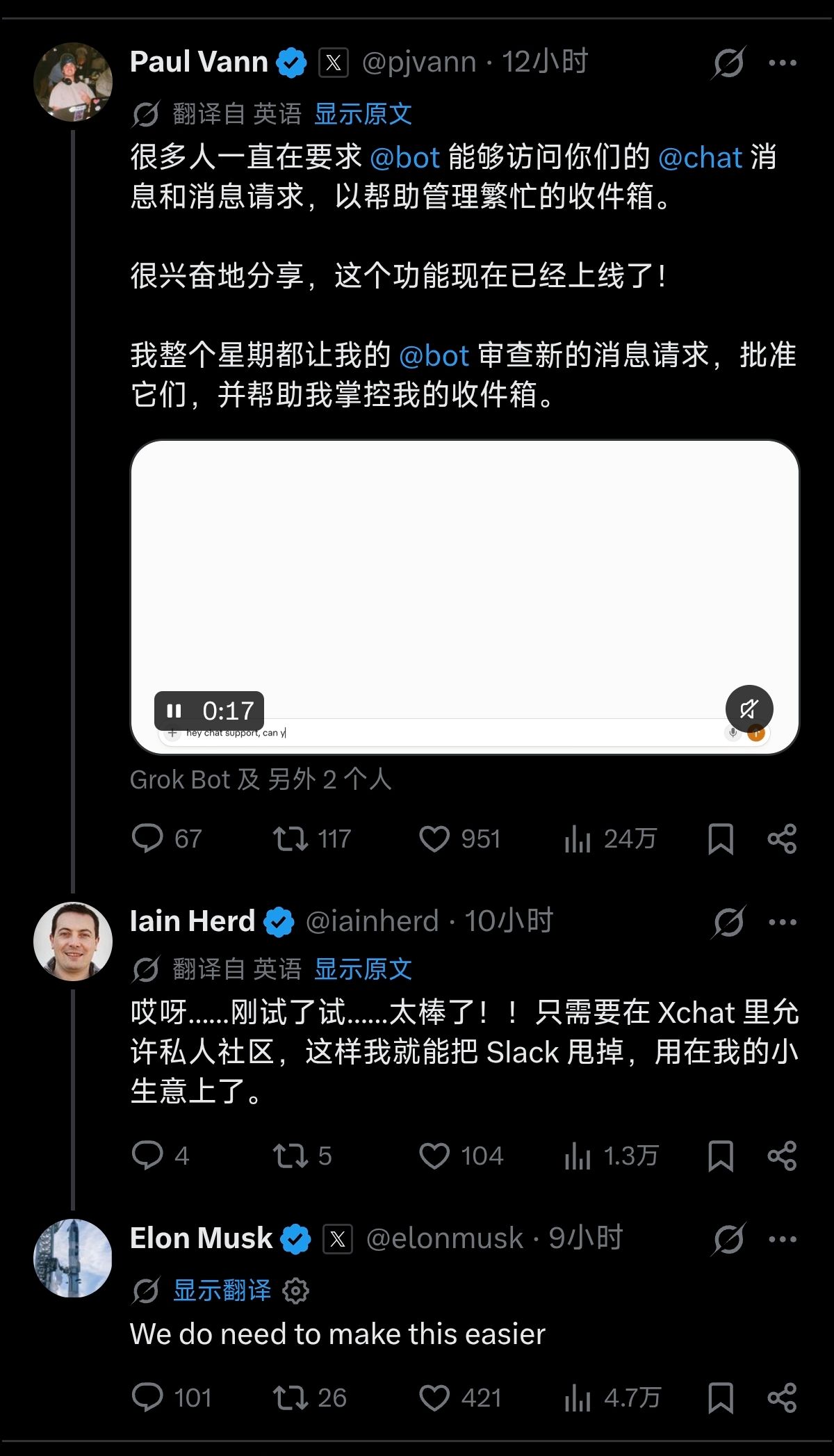
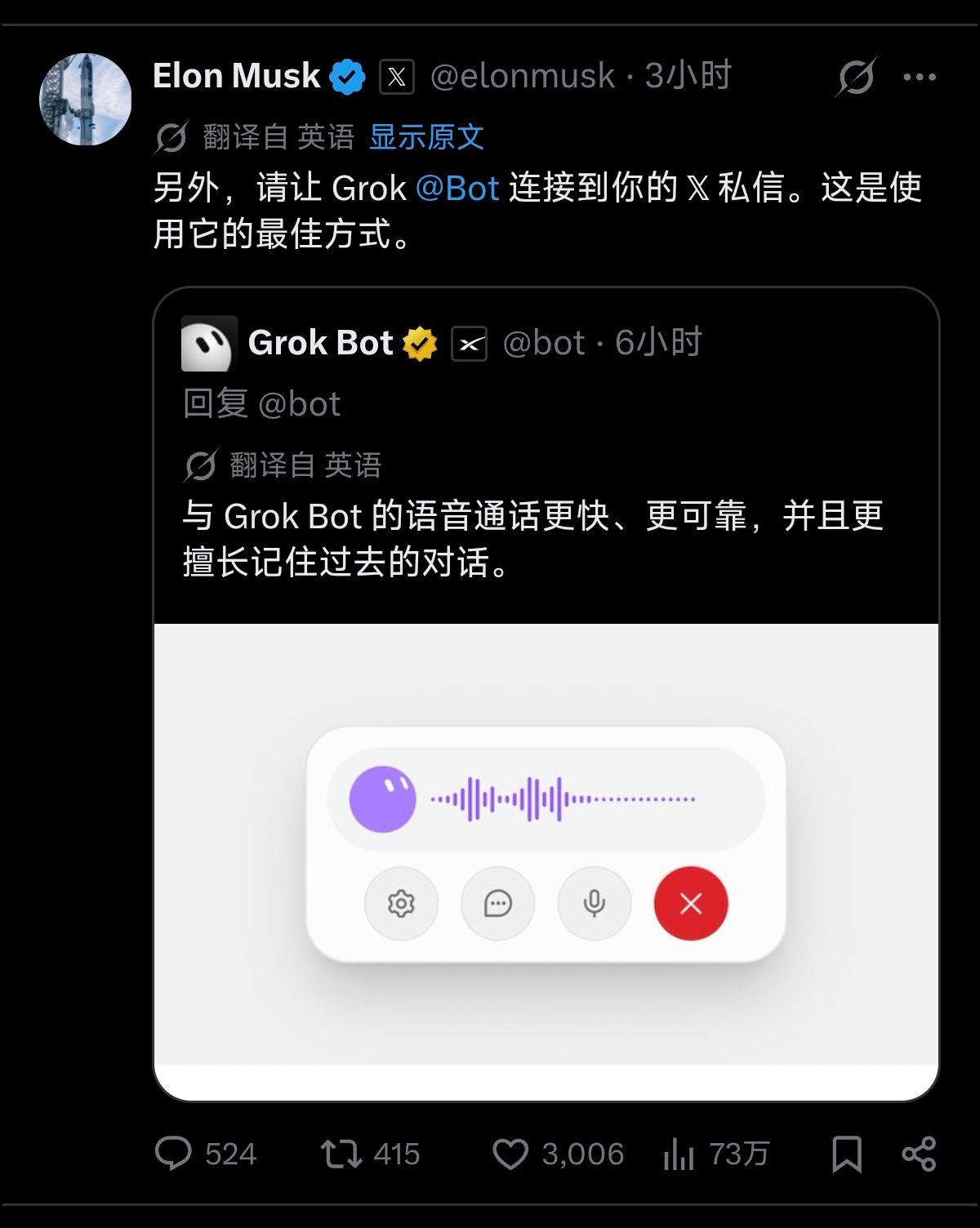
最近马斯克开始搞软件 Grok Bot 的扩张速度把马斯克都惊呆了,还是软件来钱快。
最近马斯克开始搞软件 Grok Bot 的扩张速度把马斯克都惊呆了,还是软件来钱快。
3 00
官方背书的“合法海盗执照”。私掠许可证,也译作捕拿特许证、报复捕押特许状
风帆时代一国政府发给私人船主的官方许可:允许私人武装船只在战时攻击、俘获敌国商船与货物;有这份文件就属于私掠船(privateer),没有就是海盗。战利品要经过海事法庭裁定,收益由船主、船员、政府分成。
美国宪法第一条第八款明确写明国会有权颁发它,不过近代以来国际法基本废弃了这套制度。
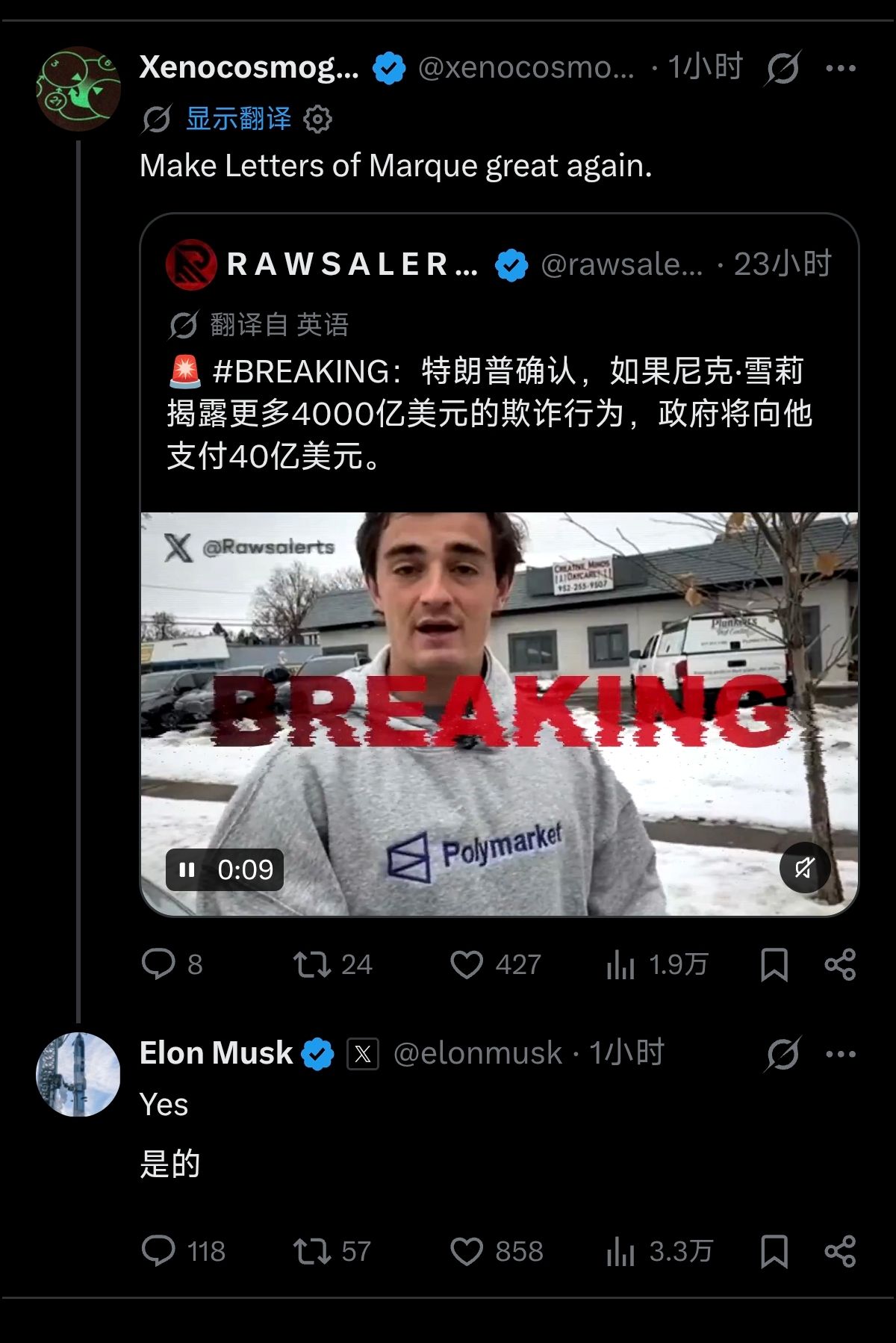
“Make Letters of Marque great again.”
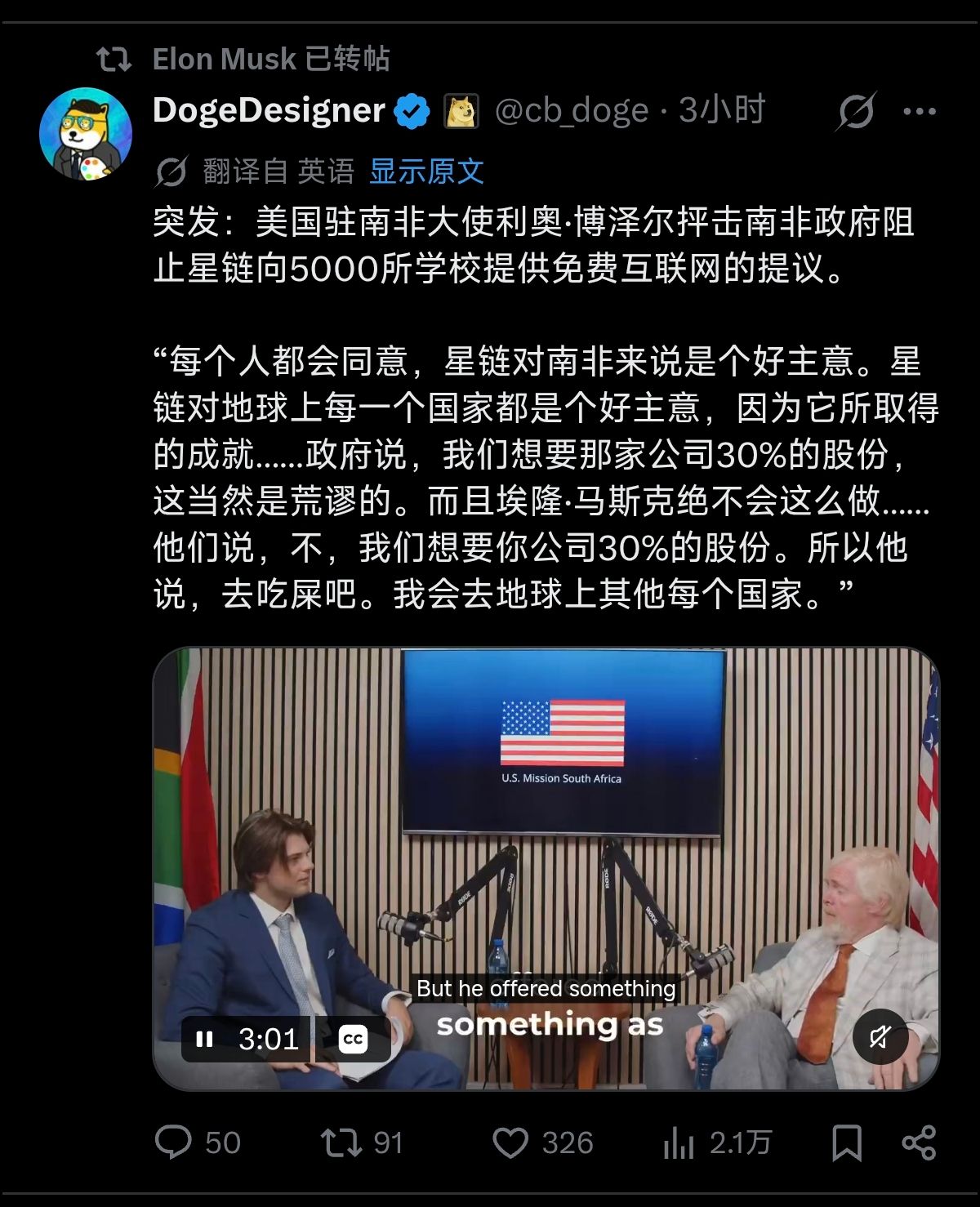
特朗普已确认,如果Nick Shirley再揭露出4000亿美元的欺诈,政府将向其支付40亿美元。这一数字似乎是根据特朗普公开提及的追回资金1%佣金推算而来。
实际事件发生在两天前。10月20日,特朗普与副总统JD Vance在椭圆形办公室宣布了Fraud Whistleblower Incentive Program。该计划由Vance主导的反欺诈特别工作组部分监督,初始资金为2500万美元,由司法部管理。官方材料描述,对于导致刑事指控或重大执法行动的线索,奖励金额为1万至3万美元。然而,特朗普多次描述了更广泛的1%追回资金佣金,且没有硬性上限,并表示数百亿美元的追回可能为成功举报人带来数百万美元的回报。
24岁的保守派YouTuber Nick Shirley获得了该计划首笔公开奖励1万美元。他早前发布的病毒式视频记录了明尼苏达州一些空置或可疑的托儿中心——其中许多由索马里裔美国人社区成员运营——引起了全国关注,促使联邦调查,并促成了相关逮捕以及至少一起欺诈指控的认罪。政府官员将其工作归功于帮助揭露联邦资助项目中的浪费;明尼苏达州官员及部分报道对部分主张的规模和准确性提出了质疑。
Letters of marque and reprisal是一项古老的宪法工具。根据美国宪法第一条第八款,国会可授权政府签发这些许可证,历史上允许私人公民(“私掠者”)在战时合法扣押敌方船只和财产,并保留部分收益。美国最后一次签发是在1812年战争期间。后来的国际条约在多数国家废除了私掠行为,这一做法逐渐废弃,但宪法权力依然存在。
风帆时代一国政府发给私人船主的官方许可:允许私人武装船只在战时攻击、俘获敌国商船与货物;有这份文件就属于私掠船(privateer),没有就是海盗。战利品要经过海事法庭裁定,收益由船主、船员、政府分成。
美国宪法第一条第八款明确写明国会有权颁发它,不过近代以来国际法基本废弃了这套制度。
“Make Letters of Marque great again.”
特朗普已确认,如果Nick Shirley再揭露出4000亿美元的欺诈,政府将向其支付40亿美元。这一数字似乎是根据特朗普公开提及的追回资金1%佣金推算而来。
实际事件发生在两天前。10月20日,特朗普与副总统JD Vance在椭圆形办公室宣布了Fraud Whistleblower Incentive Program。该计划由Vance主导的反欺诈特别工作组部分监督,初始资金为2500万美元,由司法部管理。官方材料描述,对于导致刑事指控或重大执法行动的线索,奖励金额为1万至3万美元。然而,特朗普多次描述了更广泛的1%追回资金佣金,且没有硬性上限,并表示数百亿美元的追回可能为成功举报人带来数百万美元的回报。
24岁的保守派YouTuber Nick Shirley获得了该计划首笔公开奖励1万美元。他早前发布的病毒式视频记录了明尼苏达州一些空置或可疑的托儿中心——其中许多由索马里裔美国人社区成员运营——引起了全国关注,促使联邦调查,并促成了相关逮捕以及至少一起欺诈指控的认罪。政府官员将其工作归功于帮助揭露联邦资助项目中的浪费;明尼苏达州官员及部分报道对部分主张的规模和准确性提出了质疑。
Letters of marque and reprisal是一项古老的宪法工具。根据美国宪法第一条第八款,国会可授权政府签发这些许可证,历史上允许私人公民(“私掠者”)在战时合法扣押敌方船只和财产,并保留部分收益。美国最后一次签发是在1812年战争期间。后来的国际条约在多数国家废除了私掠行为,这一做法逐渐废弃,但宪法权力依然存在。
1 00
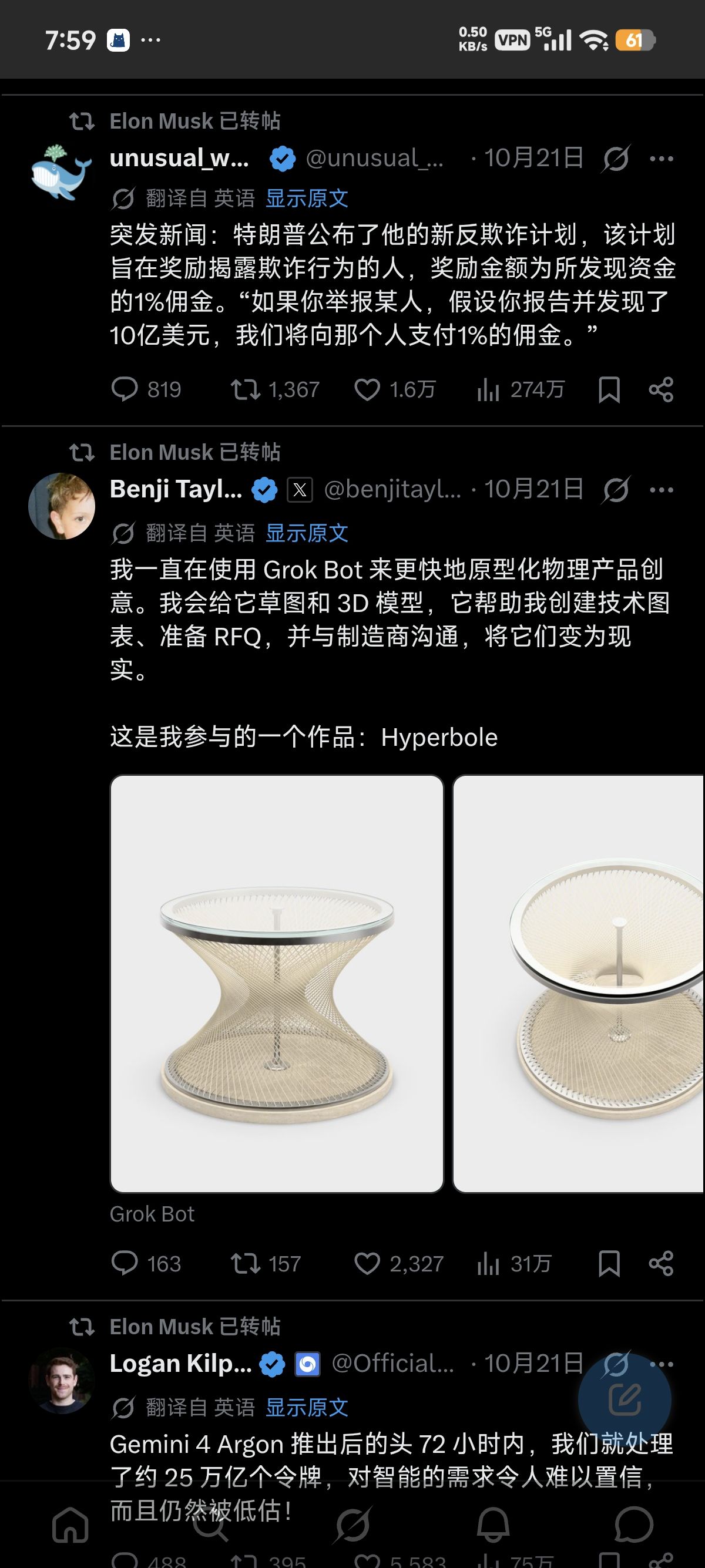
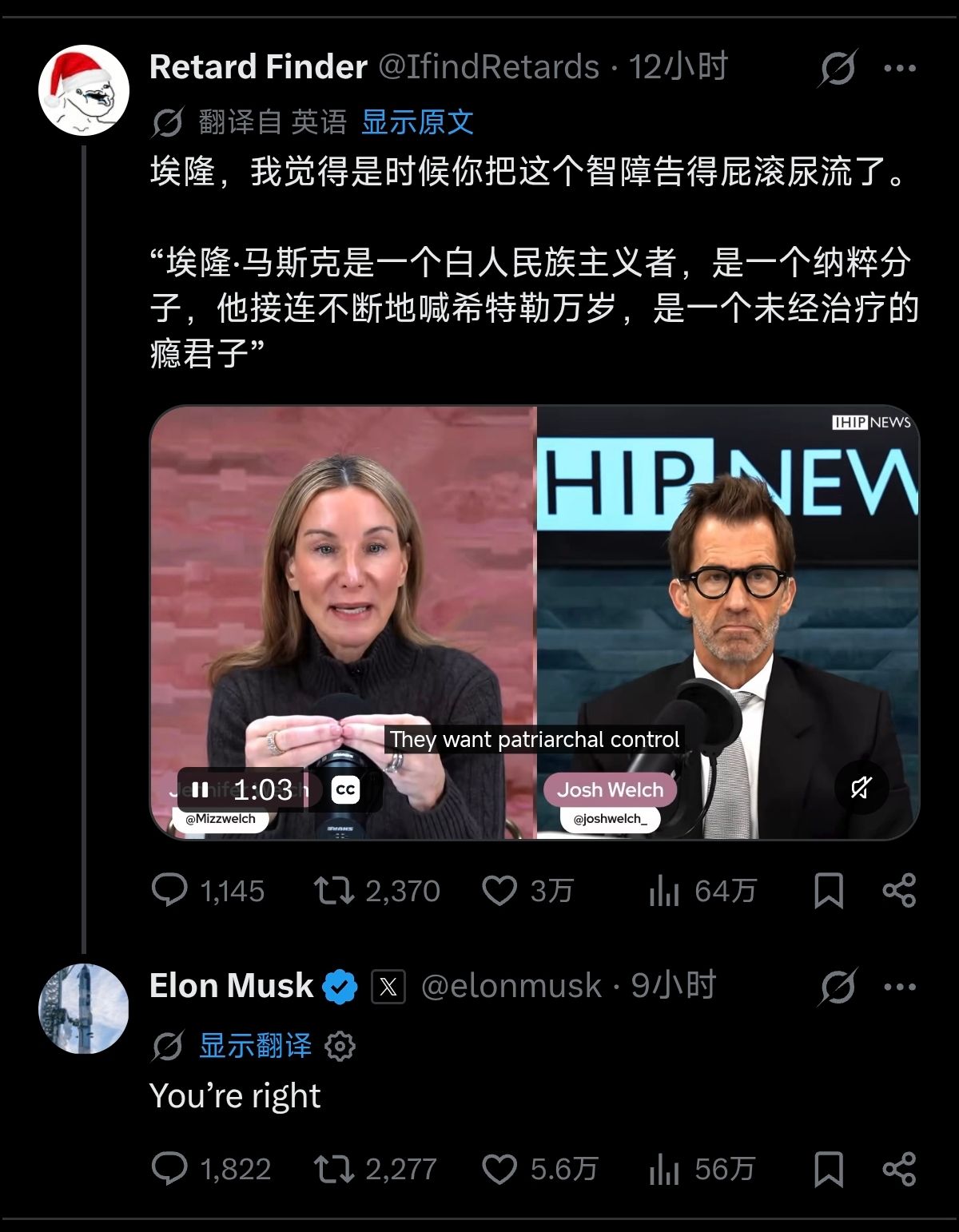
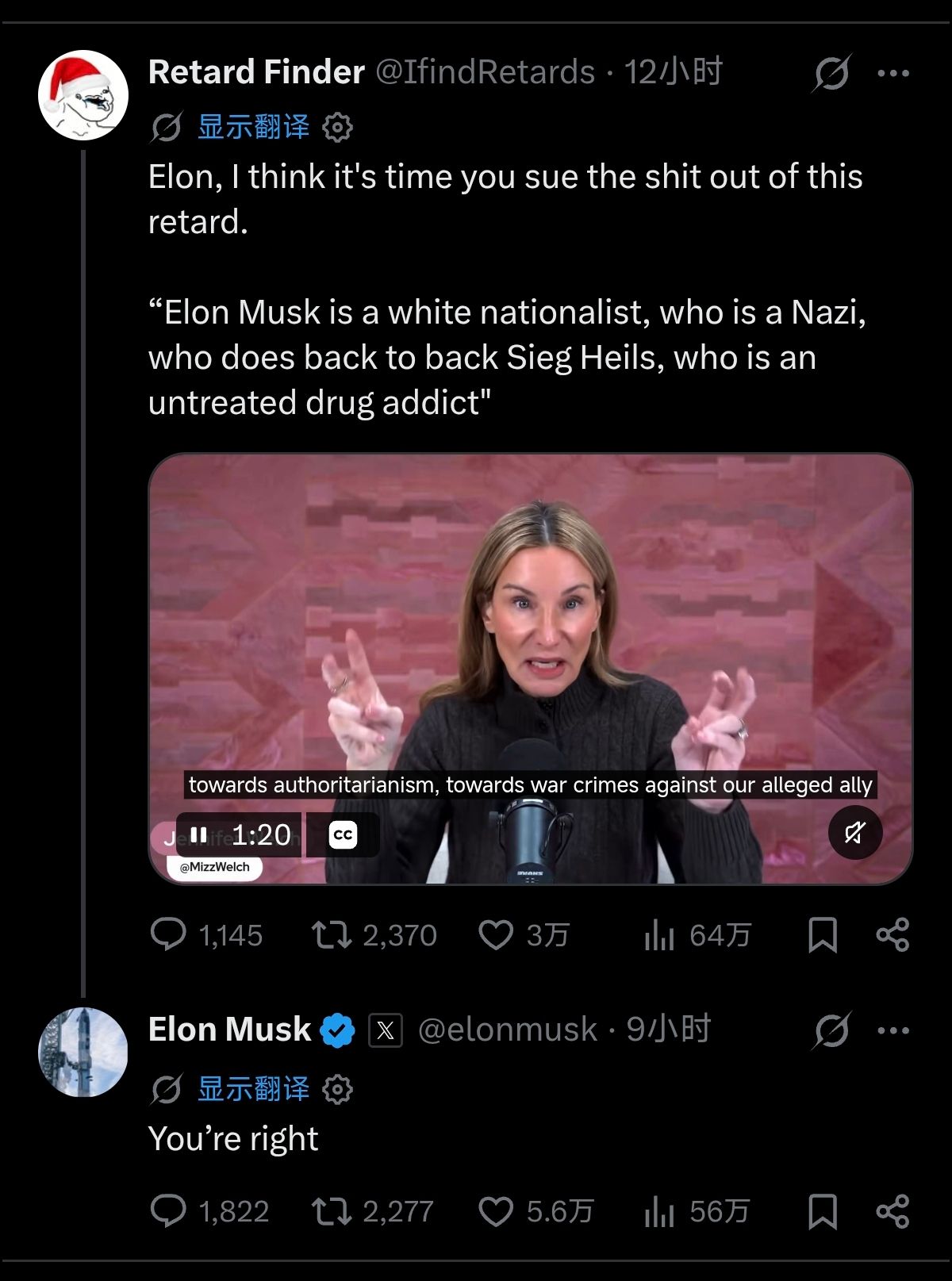
Elon, I think it's time you sue the shit out of this retard.
“Elon Musk is a white nationalist, who is a Nazi, who does back to back Sieg Heils, who is an untreated drug addict"
“Elon Musk is a white nationalist, who is a Nazi, who does back to back Sieg Heils, who is an untreated drug addict"
1 00
官方背书的“合法海盗执照”。私掠许可证,也译作捕拿特许证、报复捕押特许状
风帆时代一国政府发给私人船主的官方许可:允许私人武装船只在战时攻击、俘获敌国商船与货物;有这份文件就属于私掠船(privateer),没有就是海盗。战利品要经过海事法庭裁定,收益由船主、船员、政府分成。
美国宪法第一条第八款明确写明国会有权颁发它,不过近代以来国际法基本废弃了这套制度。
“Make Letters of Marque great again.”
特朗普已确认,如果Nick Shirley再揭露出4000亿美元的欺诈,政府将向其支付40亿美元。这一数字似乎是根据特朗普公开提及的追回资金1%佣金推算而来。
实际事件发生在两天前。10月20日,特朗普与副总统JD Vance在椭圆形办公室宣布了Fraud Whistleblower Incentive Program。该计划由Vance主导的反欺诈特别工作组部分监督,初始资金为2500万美元,由司法部管理。官方材料描述,对于导致刑事指控或重大执法行动的线索,奖励金额为1万至3万美元。然而,特朗普多次描述了更广泛的1%追回资金佣金,且没有硬性上限,并表示数百亿美元的追回可能为成功举报人带来数百万美元的回报。
24岁的保守派YouTuber Nick Shirley获得了该计划首笔公开奖励1万美元。他早前发布的病毒式视频记录了明尼苏达州一些空置或可疑的托儿中心——其中许多由索马里裔美国人社区成员运营——引起了全国关注,促使联邦调查,并促成了相关逮捕以及至少一起欺诈指控的认罪。政府官员将其工作归功于帮助揭露联邦资助项目中的浪费;明尼苏达州官员及部分报道对部分主张的规模和准确性提出了质疑。
Letters of marque and reprisal是一项古老的宪法工具。根据美国宪法第一条第八款,国会可授权政府签发这些许可证,历史上允许私人公民(“私掠者”)在战时合法扣押敌方船只和财产,并保留部分收益。美国最后一次签发是在1812年战争期间。后来的国际条约在多数国家废除了私掠行为,这一做法逐渐废弃,但宪法权力依然存在。
风帆时代一国政府发给私人船主的官方许可:允许私人武装船只在战时攻击、俘获敌国商船与货物;有这份文件就属于私掠船(privateer),没有就是海盗。战利品要经过海事法庭裁定,收益由船主、船员、政府分成。
美国宪法第一条第八款明确写明国会有权颁发它,不过近代以来国际法基本废弃了这套制度。
“Make Letters of Marque great again.”
特朗普已确认,如果Nick Shirley再揭露出4000亿美元的欺诈,政府将向其支付40亿美元。这一数字似乎是根据特朗普公开提及的追回资金1%佣金推算而来。
实际事件发生在两天前。10月20日,特朗普与副总统JD Vance在椭圆形办公室宣布了Fraud Whistleblower Incentive Program。该计划由Vance主导的反欺诈特别工作组部分监督,初始资金为2500万美元,由司法部管理。官方材料描述,对于导致刑事指控或重大执法行动的线索,奖励金额为1万至3万美元。然而,特朗普多次描述了更广泛的1%追回资金佣金,且没有硬性上限,并表示数百亿美元的追回可能为成功举报人带来数百万美元的回报。
24岁的保守派YouTuber Nick Shirley获得了该计划首笔公开奖励1万美元。他早前发布的病毒式视频记录了明尼苏达州一些空置或可疑的托儿中心——其中许多由索马里裔美国人社区成员运营——引起了全国关注,促使联邦调查,并促成了相关逮捕以及至少一起欺诈指控的认罪。政府官员将其工作归功于帮助揭露联邦资助项目中的浪费;明尼苏达州官员及部分报道对部分主张的规模和准确性提出了质疑。
Letters of marque and reprisal是一项古老的宪法工具。根据美国宪法第一条第八款,国会可授权政府签发这些许可证,历史上允许私人公民(“私掠者”)在战时合法扣押敌方船只和财产,并保留部分收益。美国最后一次签发是在1812年战争期间。后来的国际条约在多数国家废除了私掠行为,这一做法逐渐废弃,但宪法权力依然存在。
2 00
1953年的苏联和1991年的苏联,正好提供了两个相反的样本。
1953年,斯大林突然死亡。马林科夫、贝利亚、赫鲁晓夫、莫洛托夫彼此竞争,而且竞争最终非常激烈。但他们有一个非常重要的共同点:所有人都想控制苏共,没有人拥有一个明显优于苏共的政治未来。他们争的是谁掌握这个组织,而不是这个组织还要不要存在。
所以贝利亚被消灭、马林科夫下台、赫鲁晓夫后来又遭到罢黜、苏共最高层不断重新排列,但体制继续存在。
到了1991年则已经完全不同,此时的苏联内部出现了新的政治容器。加盟共和国,尤其是俄罗斯联邦本身,已经能够为一部分精英提供新的权力来源、合法性和资源。
这些容器并不是凭空出现的,它们恰恰是改革的产物。戈尔巴乔夫的政治改革推动了1989年至1990年的竞争性选举,让各加盟共和国第一次拥有了独立于苏共的合法性来源。这正是托克维尔所说的情形:改革本身扰动了统治集团内部的均衡,而且给了其中一部分人离开的出口。
叶利钦最重要的政治意义之一,就在这里。对这样一批人来说,问题已经不再是“我怎样在苏共内部获得更多权力?”,而越来越变成“为什么我的未来一定要依赖苏共继续存在?”一旦这个问题出现,统治共同体的基础就变了。
1953年,斯大林突然死亡。马林科夫、贝利亚、赫鲁晓夫、莫洛托夫彼此竞争,而且竞争最终非常激烈。但他们有一个非常重要的共同点:所有人都想控制苏共,没有人拥有一个明显优于苏共的政治未来。他们争的是谁掌握这个组织,而不是这个组织还要不要存在。
所以贝利亚被消灭、马林科夫下台、赫鲁晓夫后来又遭到罢黜、苏共最高层不断重新排列,但体制继续存在。
到了1991年则已经完全不同,此时的苏联内部出现了新的政治容器。加盟共和国,尤其是俄罗斯联邦本身,已经能够为一部分精英提供新的权力来源、合法性和资源。
这些容器并不是凭空出现的,它们恰恰是改革的产物。戈尔巴乔夫的政治改革推动了1989年至1990年的竞争性选举,让各加盟共和国第一次拥有了独立于苏共的合法性来源。这正是托克维尔所说的情形:改革本身扰动了统治集团内部的均衡,而且给了其中一部分人离开的出口。
叶利钦最重要的政治意义之一,就在这里。对这样一批人来说,问题已经不再是“我怎样在苏共内部获得更多权力?”,而越来越变成“为什么我的未来一定要依赖苏共继续存在?”一旦这个问题出现,统治共同体的基础就变了。
5 00
最近开通推特账号的名人
Tim Pan (潘天鸿)
Mark Zuckerberg
Jensen Huang(黄仁勋)
Denny’s
Bernard Arnault
其中 Zuckerberg 以前是有推特账号的,但很多年没有用了,最近重新开始发帖。
Tim Pan (潘天鸿)
Mark Zuckerberg
Jensen Huang(黄仁勋)
Denny’s
Bernard Arnault
其中 Zuckerberg 以前是有推特账号的,但很多年没有用了,最近重新开始发帖。

3 00
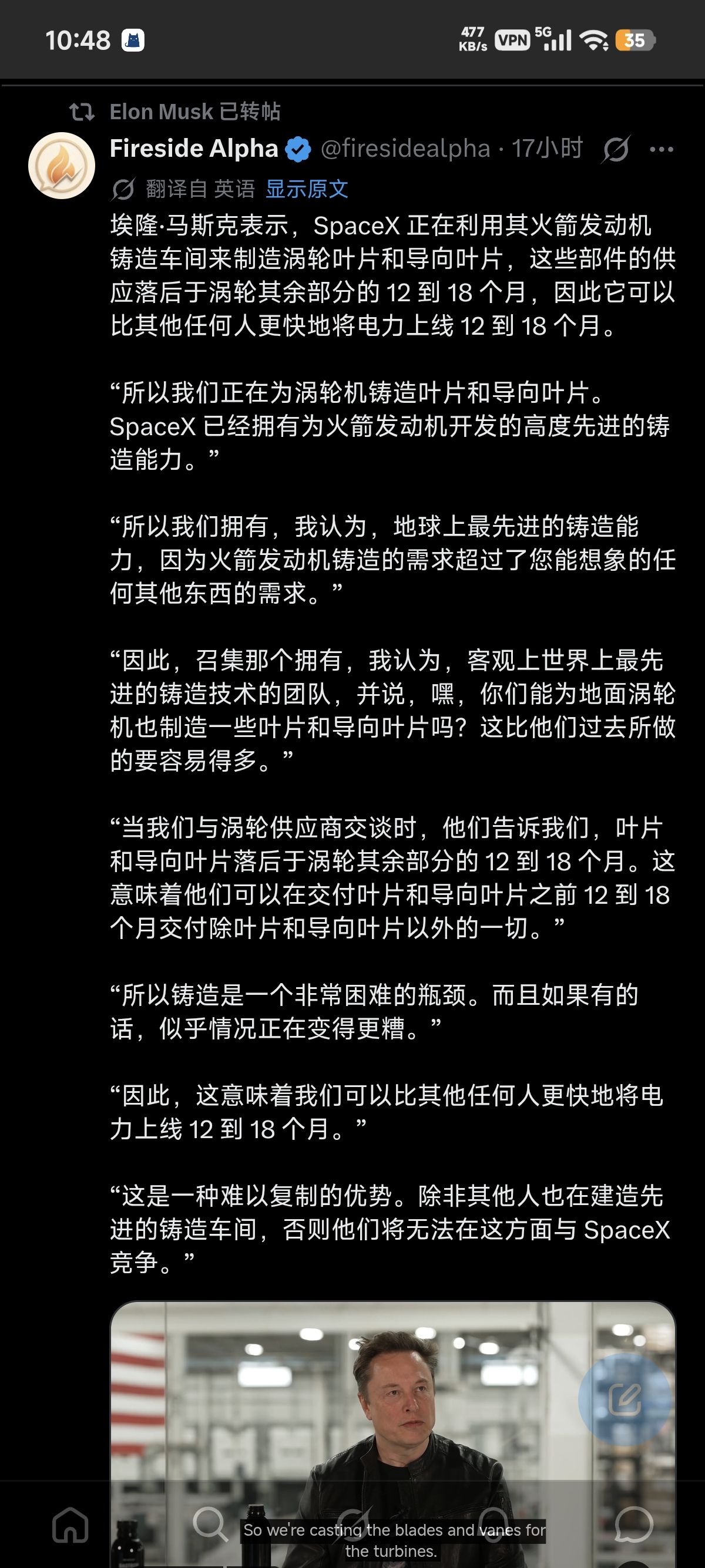
SpaceX 正利用其火箭发动机铸造车间生产涡轮叶片与导叶——这类部件的交付周期比涡轮其余部件晚12到18个月,因此SpaceX能比其他任何企业提前12到18个月实现电力并网。
“我们正在为涡轮铸造叶片和导叶。SpaceX原本就拥有为火箭发动机研发的、极为先进的铸造能力。”
“我认为,我们事实上拥有全球最顶尖的铸造能力,因为火箭发动机对铸件的要求,远超你能想象到的任何其他产品。”
“所以,让这支客观上掌握着全球最先进铸造技术的顶尖团队,去为陆用涡轮制造一些叶片和导叶,比起他们过往完成的工作要容易得多。”
“我们和涡轮供应商沟通时,他们表示叶片和导叶的交付周期比涡轮其他部件晚12到18个月。也就是说,其余所有部件都能交付,唯独叶片和导叶要再等12到18个月才能供货。”
“因此铸造环节是个极难突破的瓶颈,而且情况似乎还在不断恶化。”
“这就意味着,我们能比其他任何企业提前12到18个月实现电力并网。”
“这种优势很难被复制。除非其他企业也建起先进的铸造车间,否则在这方面根本无法与SpaceX竞争。”
“我们正在为涡轮铸造叶片和导叶。SpaceX原本就拥有为火箭发动机研发的、极为先进的铸造能力。”
“我认为,我们事实上拥有全球最顶尖的铸造能力,因为火箭发动机对铸件的要求,远超你能想象到的任何其他产品。”
“所以,让这支客观上掌握着全球最先进铸造技术的顶尖团队,去为陆用涡轮制造一些叶片和导叶,比起他们过往完成的工作要容易得多。”
“我们和涡轮供应商沟通时,他们表示叶片和导叶的交付周期比涡轮其他部件晚12到18个月。也就是说,其余所有部件都能交付,唯独叶片和导叶要再等12到18个月才能供货。”
“因此铸造环节是个极难突破的瓶颈,而且情况似乎还在不断恶化。”
“这就意味着,我们能比其他任何企业提前12到18个月实现电力并网。”
“这种优势很难被复制。除非其他企业也建起先进的铸造车间,否则在这方面根本无法与SpaceX竞争。”
2 00
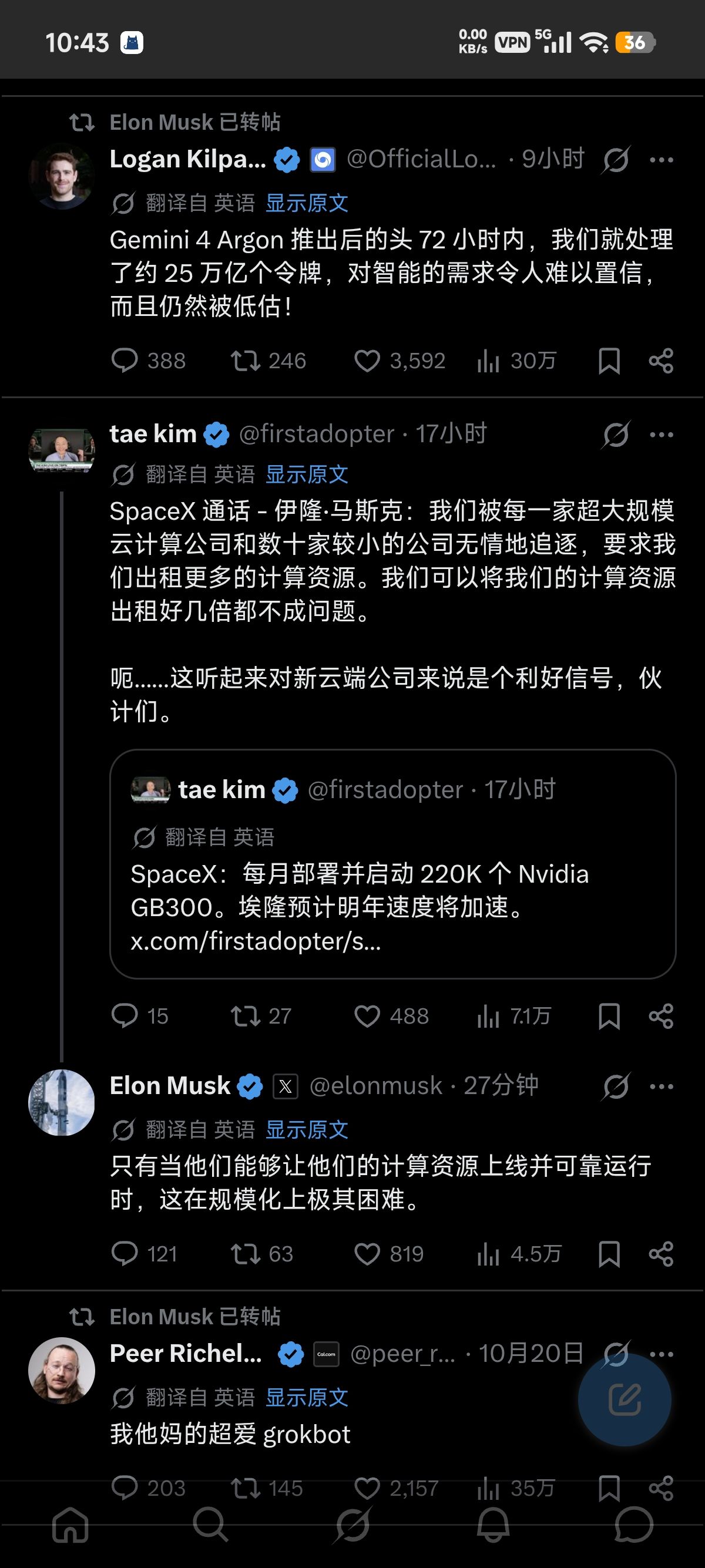
SpaceX call - Elon Musk: We're hounded relentlessly by every hyperscaler and dozens of smaller companies to rent more of our compute. We could rent out our compute several times over
1 00